
Key Personal Finance Tips to Guide You Throughout Your Lifetime
Updated: Jan 30

Building long-term financial security is less about chasing hot investments and more about following sound financial guidelines. Several time-tested personal finance ratios can serve as a practical roadmap from your working years through retirement, helping you measure progress and avoid costly mistakes.
One of the most important benchmarks is the home mortgage–to–income ratio. A common guideline is that your total housing costs—including mortgage, property taxes, insurance, and association fees—should not exceed 28% of gross monthly income. This keeps housing affordable while leaving room for savings, investing, and other life goals. Total debt, including housing, should generally stay below 36% of gross income.
Another key ratio is the percentage of income saved for retirement. Most financial planners recommend saving 10% to 15% of gross income starting early in your career. Those who begin later, or who want a more comfortable retirement, may need to save 20% or more. Employer matching contributions count toward this total, but the discipline of consistent saving is what truly drives results.
A powerful way to track wealth accumulation is with net worth targets, excluding the value of your primary residence. Your home provides shelter but does not generate income in retirement, so it is best not to rely on it for financial independence. A reasonable set of targets is:
· Age 30: Net worth equal to
1× annual income
· Age 40: 3× annual income
· Age 50: 6× annual income
· Age 60: 10× annual income
Reaching these milestones suggests you are on pace to replace your working income once you retire.
Finally, the safe withdrawal rate helps guide how much you can spend from your portfolio in retirement. A commonly cited rule is 4% per year, adjusted for inflation. This means that a $1 million portfolio could support about $40,000 of annual spending, with a high probability of lasting 30 years or more. More conservative retirees may use 3% to 3.5% for additional safety.
Together, these ratios provide a clear, actionable framework. By keeping housing affordable, saving consistently, tracking net worth growth, and spending prudently in retirement, individuals can build financial resilience at every stage of life.

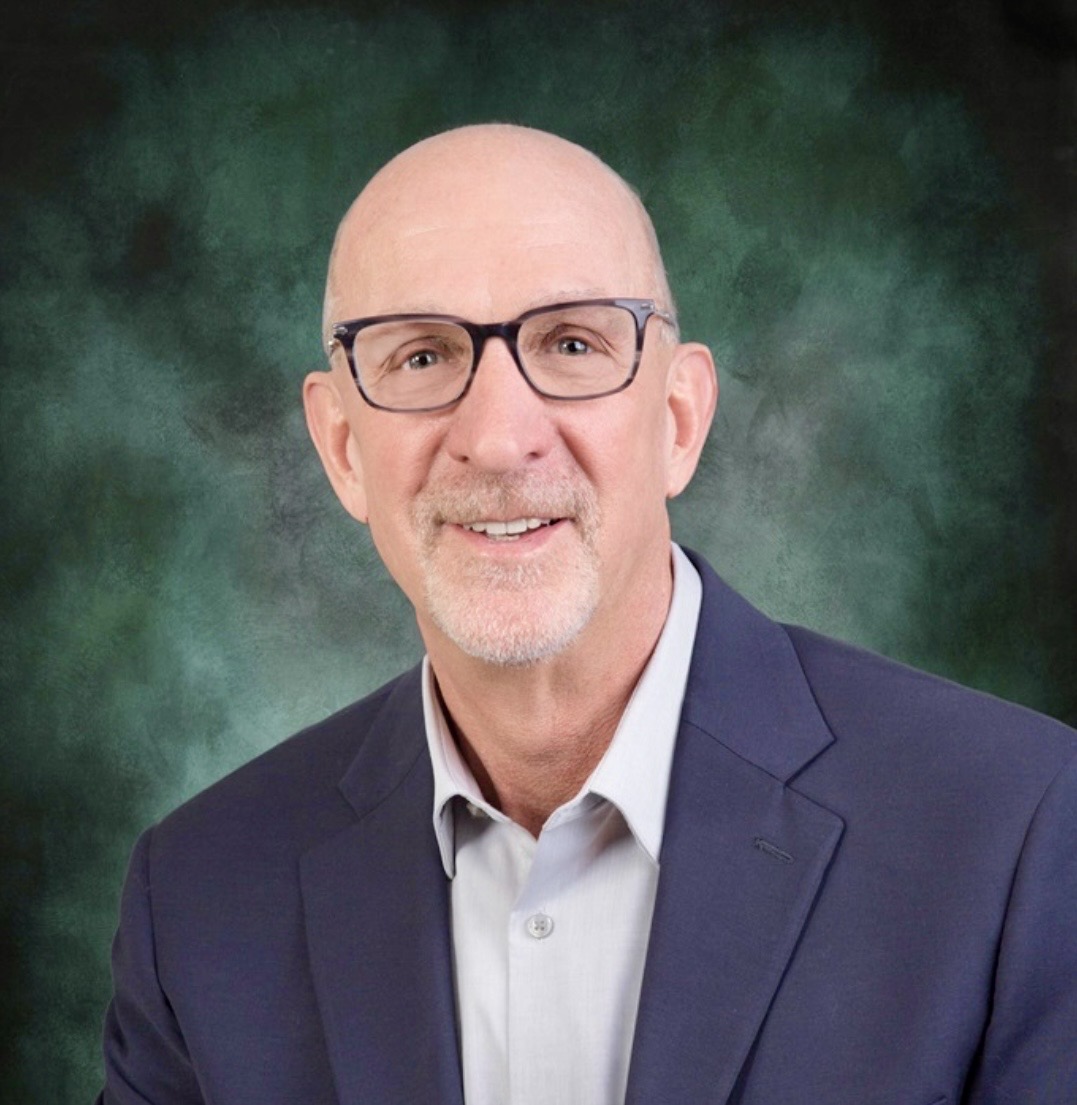
Stephen Zorko, a 30-year resident of Loveland, is owner and CFP at Integrity Wealth Management, a SEC-registered investment advisor located in Loveland, Ohio. The firm offers a full suite of financial planning services and serves clients nationwide.
Contact: info@iwmcfp.net or (513) 633-8370.



Comments