
Gas Prices Spike Dramatically in Loveland: What’s Behind the Sudden Jump?

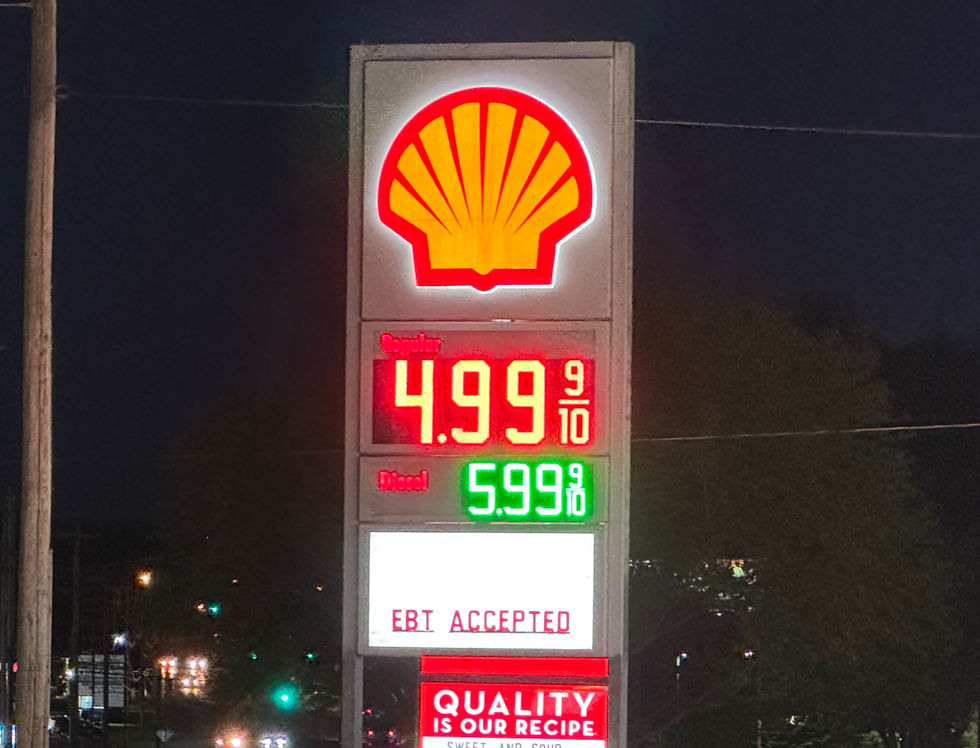
Drivers across Loveland were met with sticker shock Wednesday as gas prices surged within hours—climbing from around $4.30 per gallon in the morning to nearly $5.00 by evening at some stations.
While the sudden increase may feel abrupt, experts say it’s the result of several overlapping factors creating a “perfect storm” for fuel prices, both globally and here in Ohio.
At the center of the spike is instability in global oil markets. Rising tensions involving Iran have raised concerns about disruptions in the Strait of Hormuz, a critical passageway through which roughly 20% of the world’s oil supply flows. Even the threat of disruption can send crude oil prices climbing quickly, which in turn drives up gasoline costs.
But global factors are only part of the story.
Closer to home, the Midwest—including southwest Ohio—is experiencing tighter fuel supplies due to refinery slowdowns and seasonal maintenance. These regional constraints can cause prices in areas like Loveland to rise faster than the national average.
Adding to the pressure is the annual switch to summer-blend gasoline. This formulation, required for environmental reasons, is more expensive to produce and typically leads to higher prices each spring. With demand also beginning to rise ahead of the busy summer travel season, the timing has amplified the impact.
Gas stations themselves are also reacting quickly to rising wholesale costs. Rather than gradually increasing prices, many retailers adjust sharply to avoid selling fuel at a loss—resulting in the kind of same-day jump drivers saw this week.
The result is a volatile pricing environment where changes can happen rapidly and without much warning.
Across Ohio, similar spikes have been reported in recent days, with some areas seeing increases of 30 cents or more in a short period. The Cincinnati region, including Loveland, appears to be among the hardest hit.
For now, analysts expect prices to remain unpredictable. If global tensions ease or supply stabilizes, drivers could see some relief—but not immediately. On the other hand, any further disruption in oil markets could push prices even higher.
As residents head into the warmer months, the sudden surge serves as a reminder of how quickly global events can impact everyday costs right here at home.



Comments